
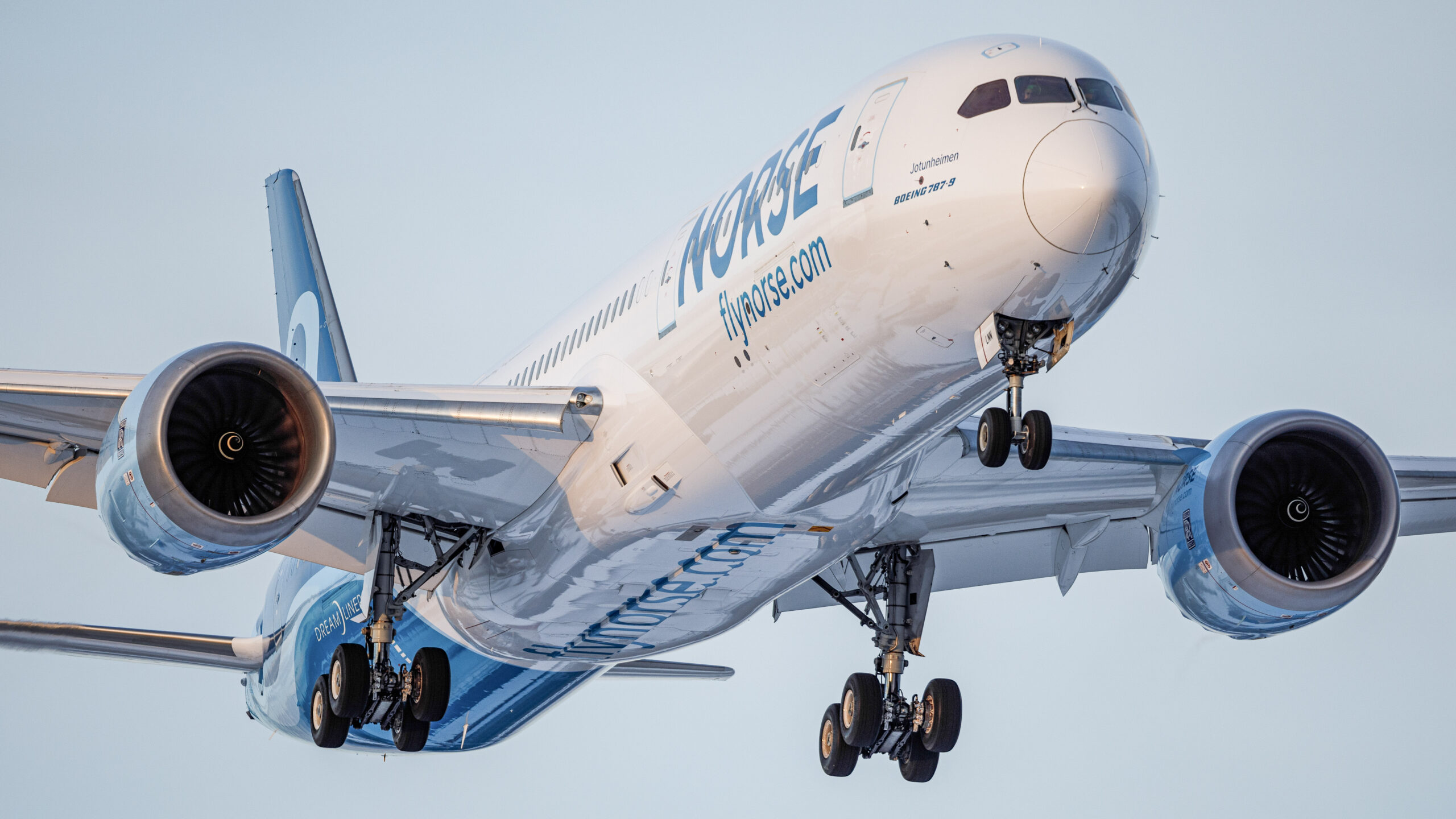
Norse Atlantic is grounded due to fuel shock. How the carrier was caused to be knocked down by a 78% European jet fuel surge.
Another casualty of the severe energy shock gripping European aviation has been marked by the bankruptcy filing by Norse Atlantic Airways on 27 November 2026. After asking for money and stopping flights, the airline cancelled all future flights and stopped helping customers. This was because companies that rent planes to airlines told the airline it had to pay back the planes it had rented. The airline also stopped working on long-term rental deals with AerCap Holdings and BOC Aviation.
In an interview with Norwegian broadcaster NRK, Eivind Roald, CEO; indicated directly that fuel efficiency was the decisive factor. IATA has reported a 71% surge in global jet fuel prices over the past year, with a staggering increase of more than 78% observed in Europe. This escalation is attributed to the ongoing conflict with Iran. For an airline that operates long-haul flights at low prices, with a business model that relies on high passenger numbers per seat, strict cost control and consistently high load factors rather than high premium yields, a surge in fuel costs that is not hedged or poorly insulated can quickly lead to a drop in cash flow.
Throughout 2026, Norse Atlantic had been experiencing increasing financial difficulties. During the summer months, the company embarked on a $50 million initiative to reduce expenditure, which entailed a reduction in the workforce and a diminution in the scale of its Norwegian headquarters. Concurrently, it initiated a review of its strategic options, encompassing the potential sale or merger of the company. But this was not enough when there was less money available and the people who rent out planes wanted to protect their property by telling the 12 planes that they would have to stop being used.
The market reacted most adversely. On Friday, November 27, Norse Atlantic’s stock went down almost 69 percent on the Oslo Stock Exchange, making it 99.86 percent lower than it was in 2026. In the US, shares went down 85 percent to a very small amount. The airline also told passengers that they might not get their money back if the company goes out of business. The airline said that passengers should try to get their money back through their travel insurance or their bank.
The collapse of Norse Atlantic has highlighted two long-standing structural realities in commercial aviation for airline executives and aviation analysts across Europe. Firstly, long-haul low-cost models are particularly vulnerable to fuel price rises when fare flexibility is restricted. Secondly, when energy shocks occur at the same time as tight credit markets, liquidity buffers disappear rapidly.
Foto: norse atlantic